Mongolia 2026 Spring Session: Key Developments Investors Must Watch
Mar 17, 2026
Tselmeg E.
.png)
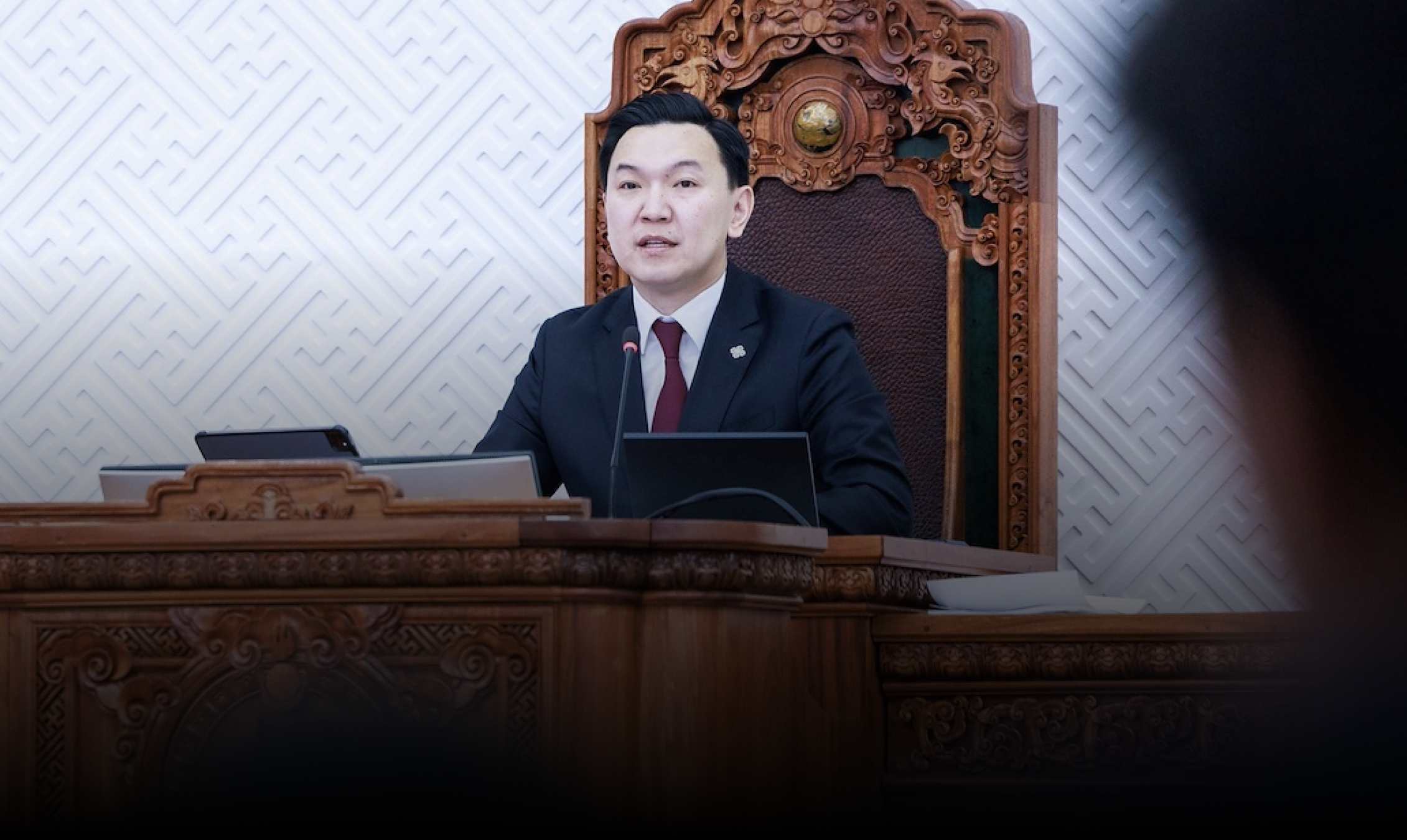
The Spring Session officially commenced on March 16, 2026. With 32 legislative items on the agenda, this session could significantly shape Mongolia’s economic and institutional trajectory. Several measures carry direct implications for investors, but none is more consequential than the proposed overhaul of the Minerals Law, aimed at modernizing the country’s mining framework and enhancing its appeal as an investment destination.
Is This the Biggest Mining Overhaul in a Decade?
Mining is expected to be one of the most closely watched sectors during this Spring Session. According to the Minister of Industry and Mineral Resources, about 50% of the Minerals Law will be amended, marking potentially the most substantial reform in over a decade. Key proposed changes include:
- “Easy Entry, Costly Holding”: Exploration licenses will be issued through direct applications and competitive bidding, speeding access for investors. At the same time, stricter rules will make it costly to hold inactive licenses, discouraging speculative behavior.
- Copper Royalty Reform: The government is considering lowering the copper royalty, which currently exceeds 20%, to boost competitiveness and attract new copper investment.
- Royalties Instead of State Equity: Mongolia is shifting toward a royalty-based model rather than taking direct equity stakes in mining projects. This approach aims to increase predictability and reduce government involvement in project management.
What’s New?
Among the new laws under consideration, the Economic Freedom Act is arguably the most anticipated. This draft law codifies, for the first time, the fundamental economic rights of individuals and businesses under the Constitution, covering property, contract freedom, labor, and investment.
If adopted, the Act would introduce several structural changes to Mongolia’s investment environment:
- Clear Limits on State Power: The law defines the boundaries of government participation in the economy. The state cannot compete with the private sector in activities the private sector can perform, effectively halting the uncontrolled expansion of state-owned enterprises (SOEs).
- Absolute Protection of Property Rights: Business assets, bank accounts, and operations cannot be frozen or blocked without a court warrant, eliminating the risk of arbitrary administrative action. Any expropriation of private property must be fully compensated.
- Simplified Licensing: Many permits will move to a “Notify & Act” model, reducing bureaucratic delays and enabling faster market entry.
- Transparency & Accountability: Government actions affecting businesses must be publicly reported, with violations triggering remedies and compensation.
While the Economic Freedom Act represents a step toward clearer rules and legal safeguards, its current form leaves uncertainty around the scope of state participation and market pricing.
Taxation: Key Amendments Under Review
The government has proposed major updates to the country’s tax framework, set for potential implementation on January 1, 2027. Now under review in Parliament’s Spring Session, these amendments aim to modernize tax rules, strengthen compliance transparency, and provide greater certainty for foreign investors and cross-border business activities. Key points include:
- Corporate Income Tax (CIT) Overhaul: Transition from a two-tier to a three-tier progressive CIT system:
- Up to ₮6 billion → 10%
- ₮6–10 billion → 15%
- Over ₮10 billion → 25%
- Value Added Tax (VAT) & Non-Resident Transactions: New rules introduce flexibility for cross-border transactions:
- Non-Resident Purchases: VAT on goods or services from foreign suppliers can now be fully deducted, as long as payments are made through non-cash channels.
- Payment Deferrals: Compliant taxpayers may request 1–2 month deferrals on VAT, including import VAT.
- Capital Expenditure: Input VAT on investments and equipment is fully deductible or claimable, improving cash flow for expanding operations.
These amendments are still under discussion, and final provisions may differ. Investors should monitor developments carefully, as outcomes will influence tax rates, compliance obligations, and reporting requirements for both domestic and foreign operations.
Looking Ahead:
Mongolia’s 2026 Spring Session could reshape the investment environment, with major reforms in mining, economic freedom, and taxation. While these initiatives signal a push toward transparency and legal clarity, key details remain unresolved. For investors, this session is likely to define both opportunities and uncertainties, underscoring the importance of careful monitoring and strategic planning in the months ahead.
Loading ...
.png)