Mongolia Opens a New Chapter in Energy Reform with Its First Competitive Energy Auction
Jun 23, 2026
Namkhaidorj B.
First Renewable Energy Auction Signals a Shift Toward a Competitive and Investment-Driven Power Sector
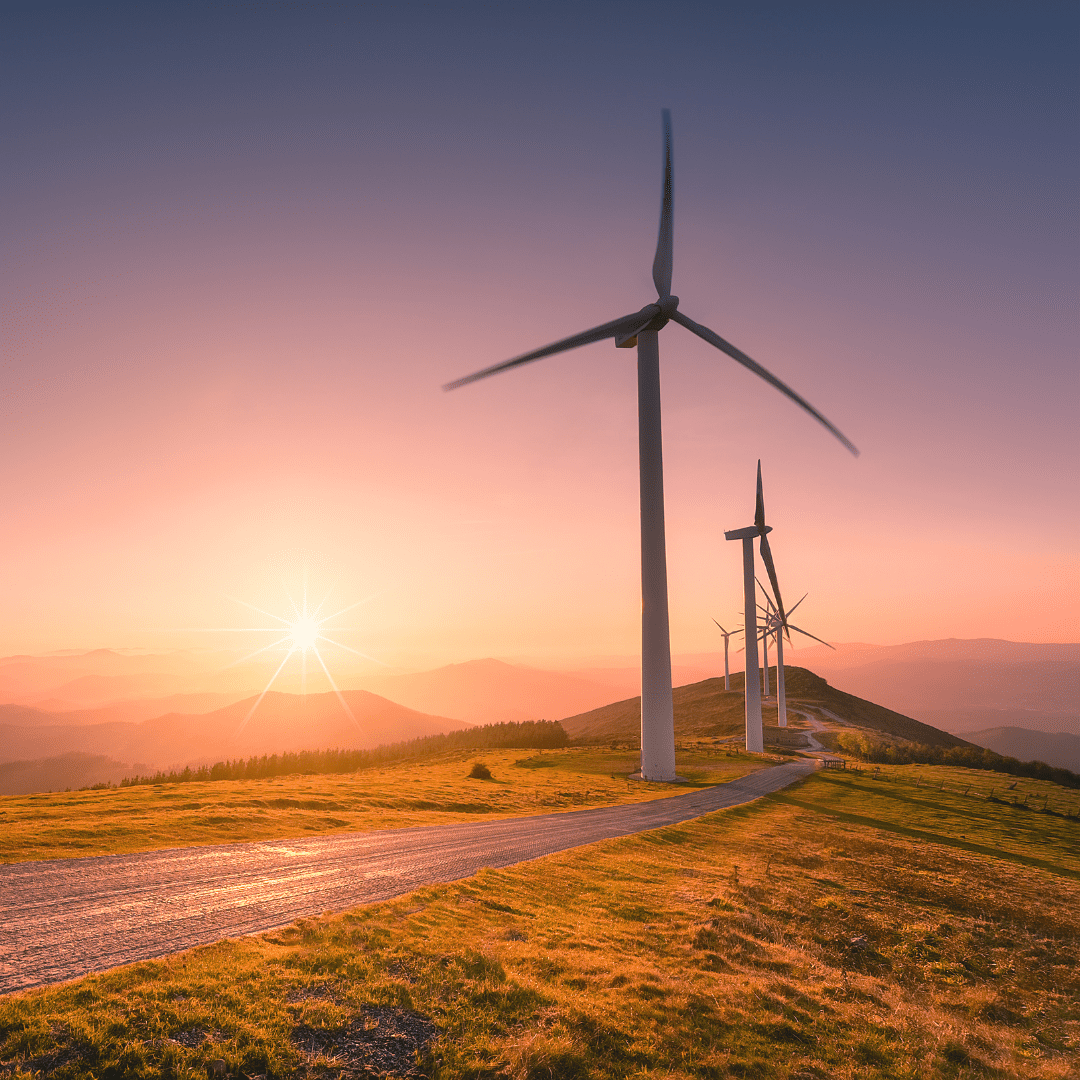
Last week, Mongolia successfully concluded a historic open competitive auction for five renewable energy projects, marking a major milestone in the country's energy sector reform agenda. The auction is significant not only because it will bring new solar generation and battery storage capacity to the grid, but also because it introduces a transparent, market-based mechanism for procuring electricity infrastructure.
For the first time, developers competed openly to secure projects, signaling Mongolia's shift away from administratively determined energy investments toward a more competitive system capable of attracting private capital, improving efficiency, and reducing costs. The successful completion of the auction demonstrates growing investor confidence in the sector and provides one of the clearest indications yet that Mongolia's broader energy reforms are beginning to translate into tangible investment opportunities.
Tariff Liberalization and Renewable Energy Auctions Signal Structural Change
Over the last two years, Mongolia has embarked on one of the most significant energy sector reform programs in more than two decades, laying the foundation for a more competitive, financially sustainable, and market-oriented power sector.
While recent attention has focused on electricity tariff increases and renewable energy auctions, policymakers increasingly emphasize that the reform extends far beyond pricing adjustments. The objective is not simply to eliminate losses in the sector but to transform Mongolia's energy system from a centralized, state-dominated model into a modern market capable of attracting private investment, supporting distributed generation, and accelerating the transition toward cleaner sources of energy.
The reform agenda emerged in response to mounting structural challenges. For years, regulated electricity tariffs remained below the actual cost of generation, weakening the financial position of state-owned utilities, discouraging investment in new generation capacity, and contributing to growing supply shortages as electricity demand continued to rise.
The first major step came in November 2024, when electricity tariffs were increased by more than 30 percent. The adjustment aimed to narrow the gap between production costs and consumer prices and restore financial sustainability to a sector that had been operating at a loss for years. Additional adjustments have followed, including a further tariff increase approved in May 2026.
However, policymakers also recognize that tariff reform alone cannot solve Mongolia's long-term energy challenges.
From State Monopoly to Competitive Energy Market
The next phase of reform focuses on changing how the sector itself operates.
A growing consensus has emerged among policymakers, regulators, and industry participants that Mongolia must gradually transition from a heavily regulated and state-controlled system toward a more competitive market structure. This includes strengthening regulatory institutions, improving the efficiency of state-owned enterprises, introducing wholesale market mechanisms, and creating conditions for greater private sector participation.
The government has already begun laying the institutional foundations for this transition. Parliament is preparing new Electricity Supply and Heat Supply laws that could reshape the sector's regulatory framework over the coming years.
At the same time, policymakers have outlined an ambitious long-term vision: achieving domestic energy self-sufficiency by 2030, becoming a regional energy exporter by 2040, and positioning Mongolia as a clean energy producer by 2050.
Within this broader reform agenda, renewable energy auctions represent one of the most tangible and market-oriented initiatives implemented to date.
Mongolia's First Renewable Energy Auction Sets a New Benchmark
On June 18, 2026, the Ministry of Energy successfully completed Mongolia's first-ever competitive renewable energy auction, selecting Independent Power Producers (IPPs) for five utility-scale solar and battery storage projects across the Central Energy System.
A total of 19 participants competed across the five project locations through an open bidding process in which developers were required to reduce their offered electricity tariff by at least 0.05 US cents per kWh during each bidding round. The winning developers earned the right to enter into long-term Power Purchase Agreements (PPAs), providing the revenue certainty required to attract project financing and proceed with construction.
The auction resulted in the allocation of 220MW of solar generation capacity and 135MW/440MWh of battery energy storage systems, making it the largest renewable energy procurement program ever undertaken in Mongolia.
Beyond the additional generation capacity, the auction established a new benchmark for renewable energy pricing in the country.
Speaking during the auction, Minister of Energy B. Naidalaa described the process as a historic milestone for Mongolia's energy sector. He noted that the results challenged the long-held perception that renewable energy is inherently expensive. While some legacy renewable energy projects continue to supply electricity at tariffs as high as 17.3 US cents per kWh, the winning bids in the auction ranged from just 4.85 to 7.8 US cents per kWh.
The results demonstrate the power of competitive procurement to reduce costs while maintaining investor interest and project viability.
Looking Ahead
The success of the first auction strengthens the investment case for the government's next procurement round, which will include an additional 110MW of solar capacity and 100MW of wind generation later this year.
Momentum is already building. The Ministry of Energy, together with the International Finance Corporation (IFC), has launched the pre-qualification process for the 100MW Mandalgovi Wind Power Plant IPP project in Dundgovi aimag, with applications due by July 31. The project will be developed under a build-operate-transfer model and supported by a long-term power purchase agreement with the National Dispatch Center, further reinforcing Mongolia's commitment to competitive, privately financed energy infrastructure.
For investors, these initiatives signal the emergence of a credible project pipeline and a regulatory environment increasingly aligned with international market practices. For policymakers, they offer a mechanism to expand generation capacity without placing additional pressure on public finances.
Together, tariff liberalization, regulatory reform, and competitive renewable energy procurement represent the early stages of a broader restructuring of Mongolia's energy economy. The reforms underway today suggest that Mongolia is moving beyond short-term solutions toward a fundamentally different energy model, one based on cost-reflective pricing, competitive markets, and private investment.
For a sector long constrained by financial losses, underinvestment, and regulatory uncertainty, the successful completion of Mongolia's first renewable energy auction may ultimately be remembered as the moment when the country's energy transition moved from policy ambition to market reality.
Loading ...
.png)