Jianlong Group Selected as Strategic Investor for Mongolia's Steel Complex Project
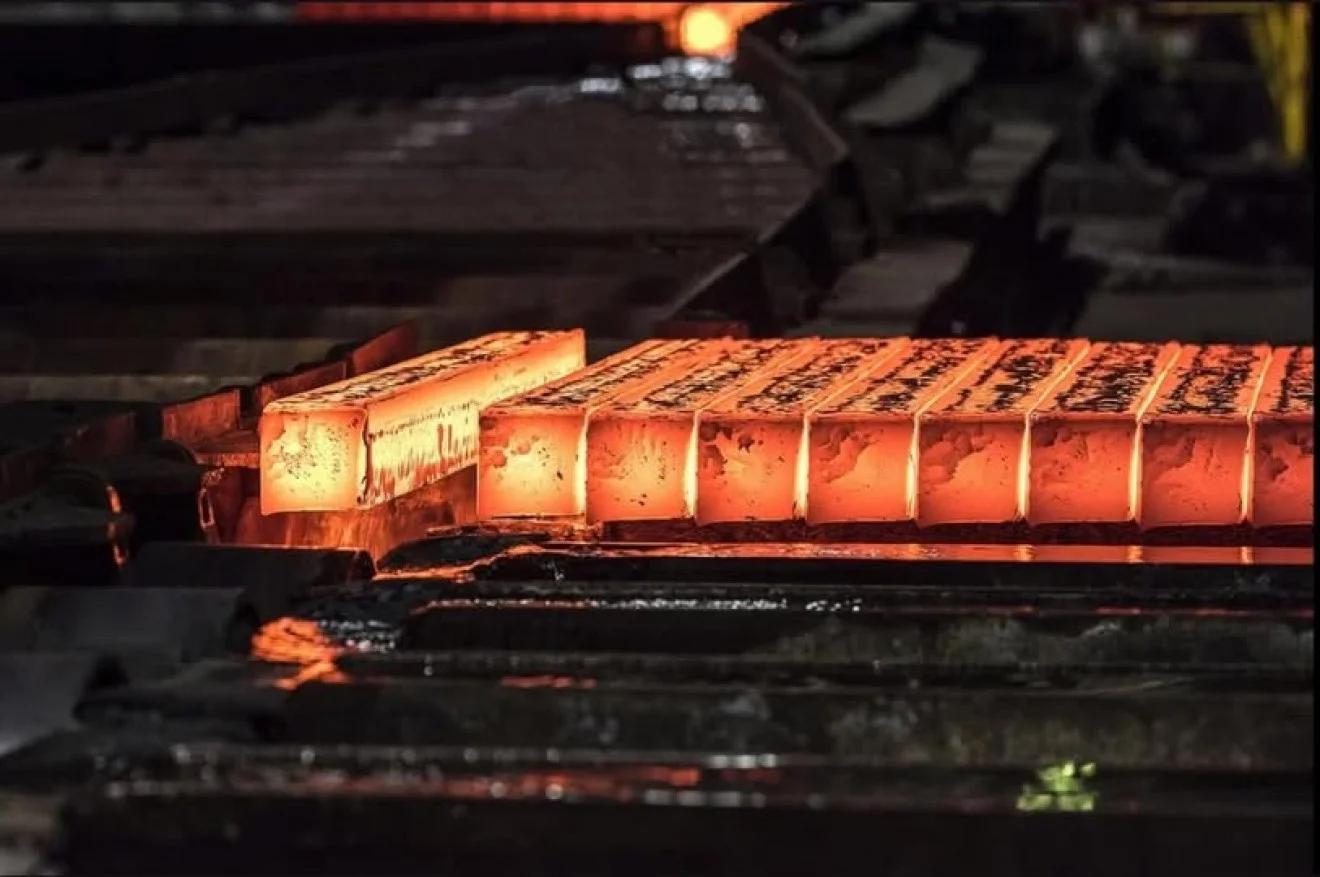
China's Beijing Jianlong Heavy Industry Group has been selected as the strategic investor for a planned steel production complex in Orkhon soum, Darkhan-Uul province, Damdinnyam G. Minister of Industry and Mineral Resources told in a cabinet meeting. The government will now negotiate the terms of an investment agreement with the company. According to the pre-feasibility study, the complex will require a total investment of USD 806 million.
Selection and investor proposal
The government ran an open international investor selection process from April 10 to May 11 and sent invitations to more than 30 leading steel and metallurgy companies through the Ministry of Foreign Affairs. Five Chinese companies submitted proposals. In the final evaluation on October 22, Beijing Jianlong scored 81.13 points, ahead of Baotou Iron and Steel Group with 48.36 points.
Beijing Jianlong has proposed to fund at least 80% of the project's equity in cash and to take responsibility for building and operating the plant, which it plans to complete within four years. It also proposed to create 1,800 jobs, with Mongolian citizens making up 70% of the workforce, and to invest a further USD 499 million at a later stage to expand annual capacity by one million tonnes.
A working group led by Minister Damdinnyam will be set up by order of the Prime Minister to negotiate the agreement, covering financing, technology, environmental requirements and the allocation of risks between the parties. The 651.2-hectare site has already been designated as land for special state needs. The minister said the Prime Minister's order is expected within days, after which negotiations will begin and be finalized shortly. Talks will also cover producing high-quality steel for export. The agreement will be presented to Parliament if required, with construction expected to begin next spring.
Expected economic impact
According to the pre-feasibility study, the complex would generate annual sales of USD 645 million and net profit of USD 101.5 million once it reaches full capacity, while contributing USD 63.4 million in taxes to the state budget each year. The study estimates that the project could raise GDP by 4.9%, cut imports by 4.8%, lift exports by 2.3% and improve the balance of payments by USD 350 to 400 million.
Mongolia's domestic steel consumption reached 1.07 million tonnes in 2025 and is expected to rise to 1.7 million tonnes by 2030. The minister said the complex would introduce direct reduced iron technology in Mongolia for the first time, converting iron ore directly into iron. The ministry estimates that domestic production could lower the price of rebar from about USD 700 per tonne to USD 550 to 600, a reduction of around 20%, which would cut construction costs, lower housing costs and reduce the country's reliance on imports.
The complex, which will also include an ore processing plant, a power station and a cement plant, is scheduled to be built between 2027 and 2029 and commissioned in July 2029.