COP17's climate agenda ran alongside a string of economic announcements from Mongolia, including a blue bond issuance guideline and the official launch of the Mongolian Green Finance Corporation. The biggest news of the twelve days, though, was framed in the same green language but aimed at something far larger in scale. On 25 August, the government unveiled "Sovereign by Design," its plan to become Asia's next data centre hub.
Ten MoUs came out of that event, signed with organisations from the US, China, Japan, South Korea, and Singapore, plus a multilateral development bank, adding up to a pipeline of roughly 863 MW. NOVVA Group, a global clean-energy infrastructure platform, and Blaize Holdings, a US AI infrastructure firm now advising on Mongolia's national AI and data policy, are among the named signatories.
Reading Between the Lines
Mongolia is making a specific bet: turn stranded energy into exportable value through computing rather than transmission. Roughly 80% of a data centre's operating cost is energy, so a data centre is really an energy project in a technology wrapper. Mongolia has coal and renewable capacity but has struggled to monetize it conventionally, since new coal plants are largely unfinanceable post-Paris and gasification is too slow and expensive.
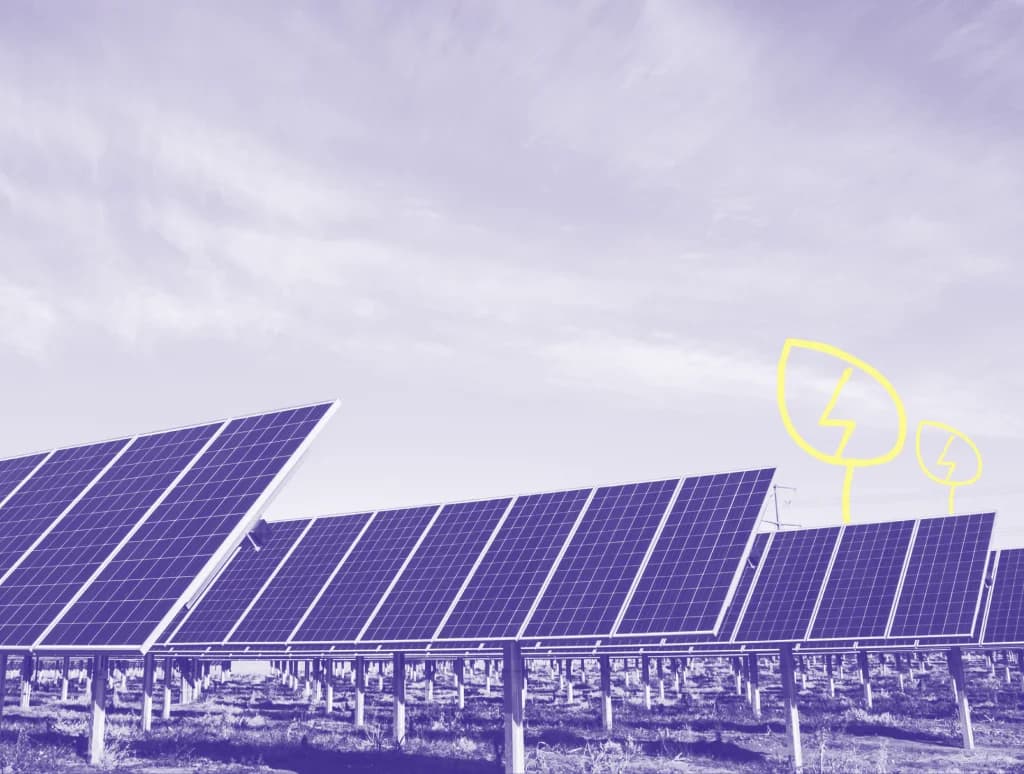
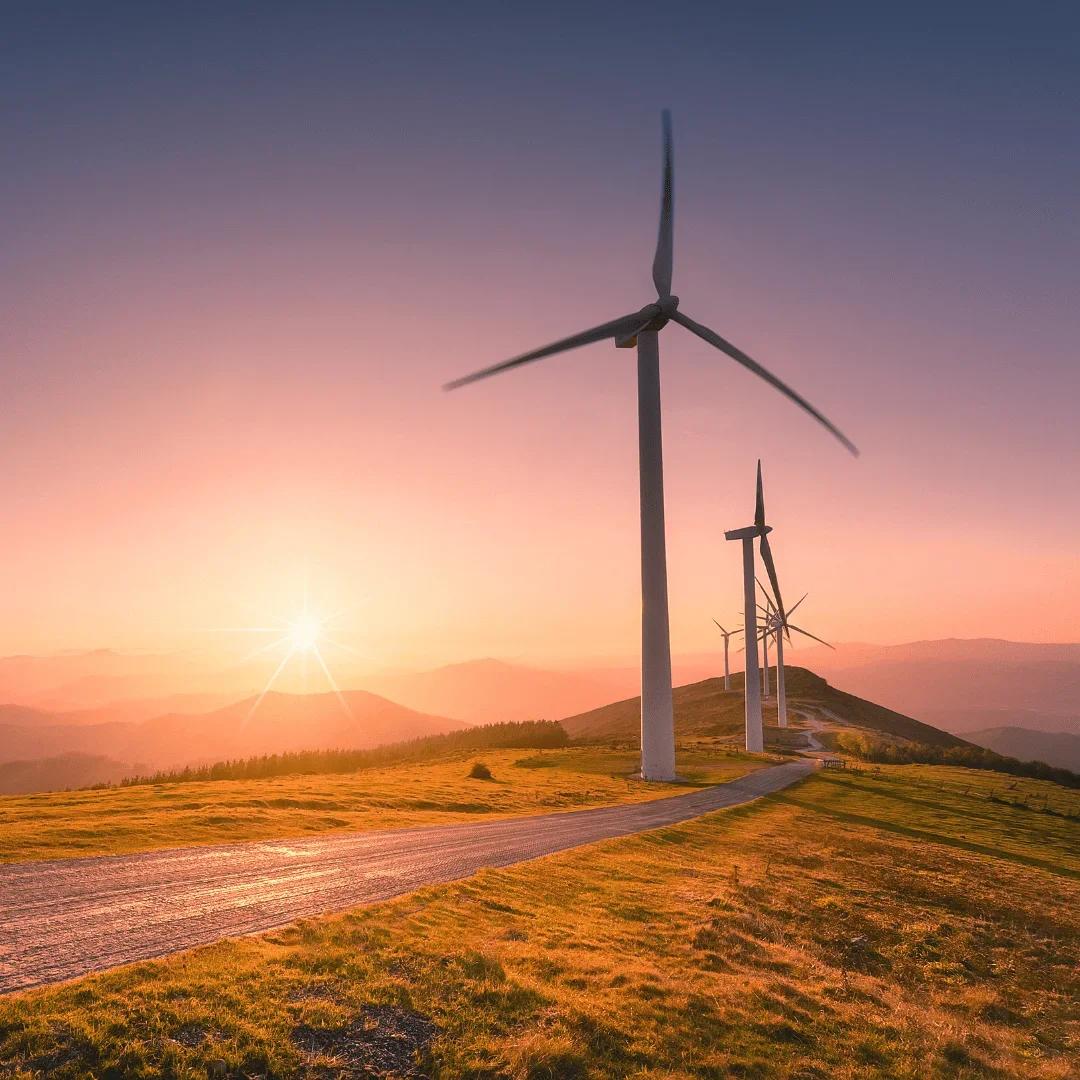
Pairing renewables and hybrid generation with round-the-clock computing demand lets Mongolia sell that energy abundance over fibre instead of transmission lines it doesn't have. The cold climate adds to the math: Mongolian officials cite savings of up to 40% on cooling costs from the country's harsh winters alone, before cheap power even factors in.
The Case for Mongolia
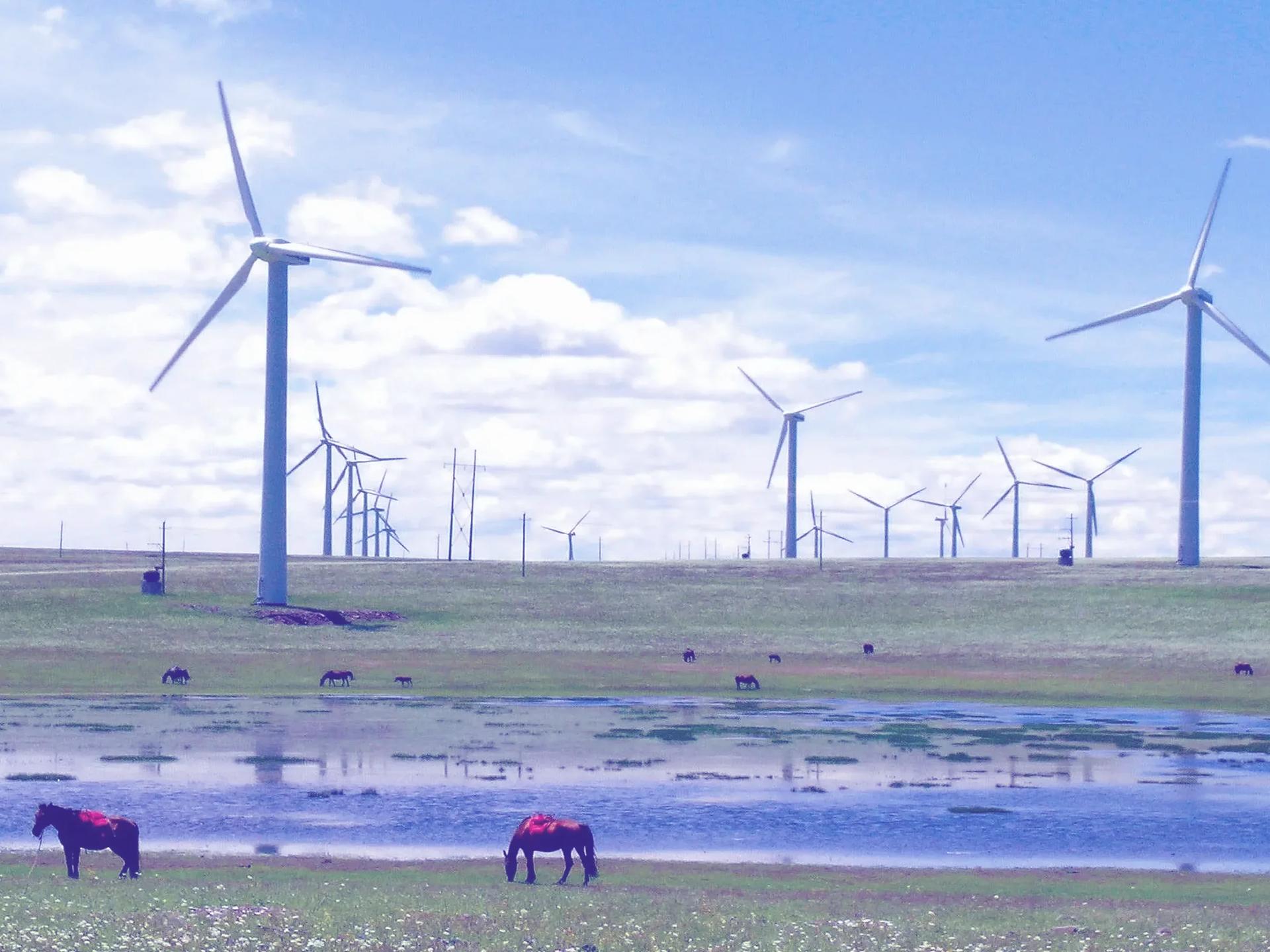
The technical numbers hold up. Mongolia's renewable potential is estimated at 2.6 terawatts, far more than current domestic demand requires, leaving room to dedicate new solar and wind capacity to data centre load specifically. Dedicated hybrid generation is projected at 3–5 cents per kWh; Deputy PM Togmid Dorjkhand has cited this as undercutting the US (14–18 cents), South Korea (18 cents), and Japan (22–36 cents) by a wide margin.
There's also an actual site behind the pitch: Hunnu City, a 31,000-hectare development near Ulaanbaatar built around geothermal power, backed by the $1.4 billion Chinggis Khaan Sovereign Wealth Fund, which is actively recruiting developers. A Data Law is moving through parliament, and the government has added customs exemptions and a four-year VAT deferral on qualifying equipment.
The Hard Part
The government isn't building any of this itself. Its role is to clear the legal, tax, and land pathways and let private capital do the rest, which plays to Mongolia's real comparative advantage in energy and land rather than data centre operations. The MOU structure reflects that: NOVVA and Blaize bring operating expertise Mongolia doesn't have. Financing is where the picture gets more nuanced. The 863 MW pipeline is meant to be funded primarily by the ten MOU partners themselves. The government's own target is to attract at least $2 billion, and officials cited a total financing figure closer to $16 billion for the full buildout at the closing briefing.
The one commitment that ties it all together is power delivery within 24 months, running alongside construction rather than ahead of it. That's aggressive, but it rests on a specific mechanism, private hybrid generation independent of Mongolia's already-constrained national grid, rather than a vague promise.
The Road Ahead
The next two years are the real test. Parliament needs to pass the Data Law. The first dedicated power supply needs to arrive on schedule, since the entire model depends on it. A meaningful share of the ten MOUs needs to convert into signed financing and construction agreements. And the state needs to keep deploying capital through its own vehicles rather than treating COP17 as a one-off moment.
Mongolia has moved further and more coherently than most jurisdictions making a similar pitch: a real site, a sovereign financing vehicle, a legal framework already in motion, and ten international counterparties willing to sign before a shovel goes into the ground. Whether that turns into an actual data centre economy comes down to one number. If power shows up within 24 months, Mongolia has a genuine shot at turning an energy surplus most countries would envy into a growth pillar that doesn't depend on mining at all.