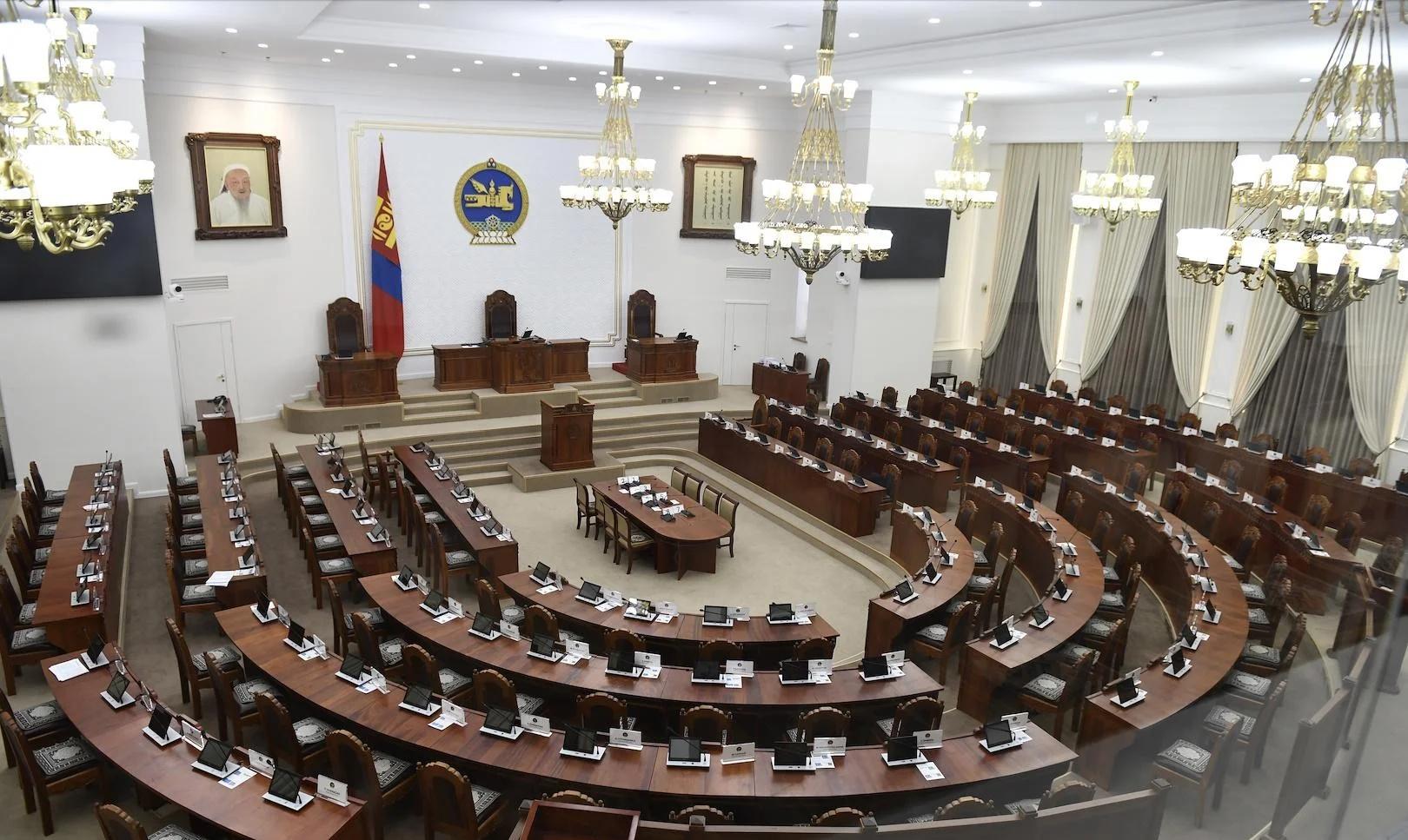
Mongolia’s Government Unveils SOE Reform Roadmap
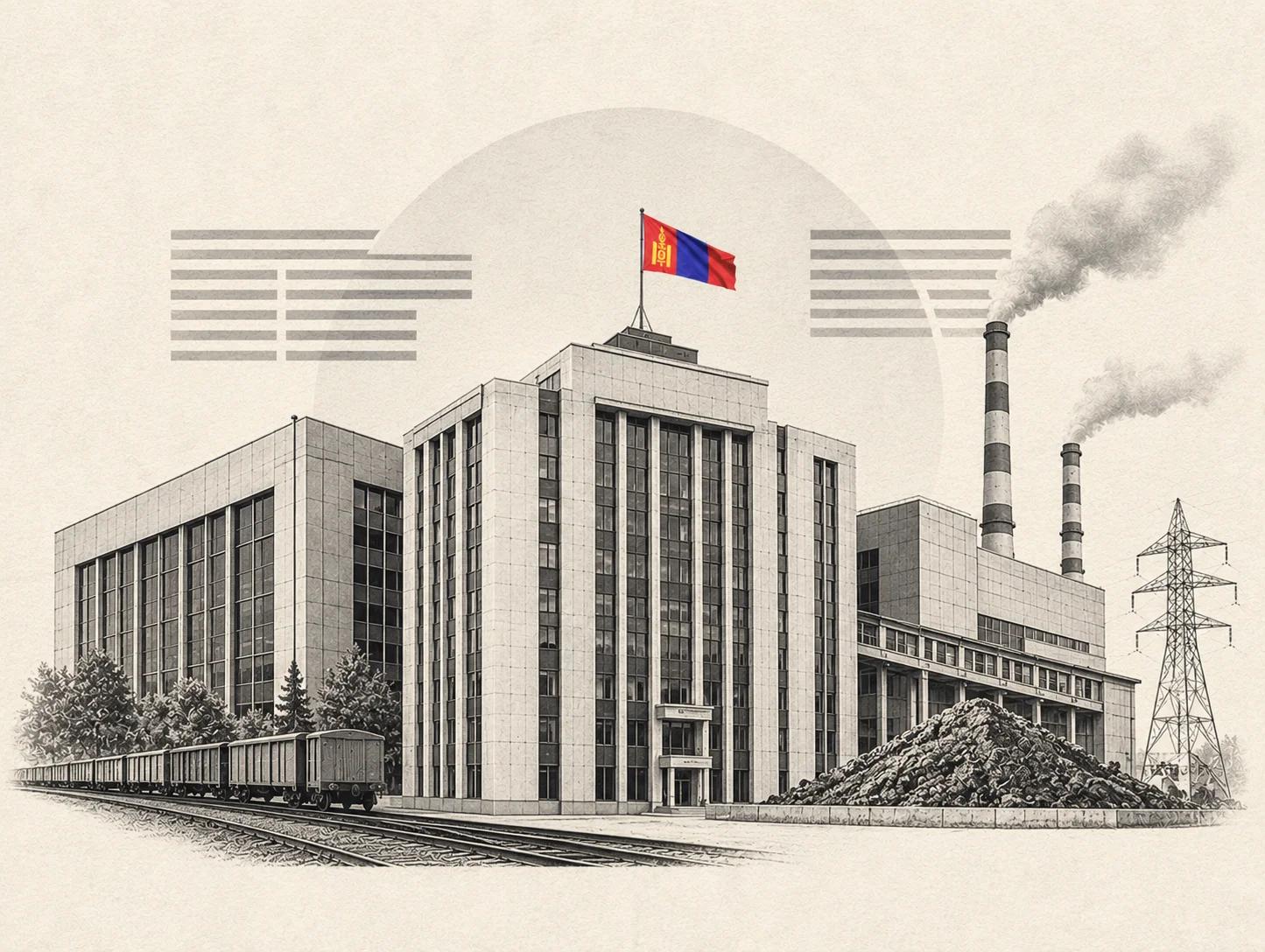
Mongolia has talked about taking its SOEs to market for years. Now comes the harder part: the rules.
On November 5, the Government put its draft State Ownership Policy (2027–2030) up for public consultation. It follows July's SOE Governance Law (effective 1 January 2027) and shifts the focus from announcing listings to defining how the state's portfolio will be managed and restructured.
The draft outlines which companies will remain state-owned, which could open to private investment and how.
Defining state ownership. The state holds 101 companies with around MNT60 trillion in assets: 43 commercial enterprises and 58 public-service companies. According to the State Property Policy and Coordination Agency, return on assets fell to 2.9% in 2025, down from 9.6% in 2024. The Government aims to submit the draft to Parliament by the end of November. It sets five grounds for state ownership: public services, natural resources, natural monopolies, national security, and legal requirements.
- The Government aims to reduce the portfolio to approximately 85 companies by 2030 through restructuring and liquidation.
- Companies that fail to meet state ownership criteria would be restructured, privatized, or liquidated, reducing the state's role in competitive markets.
Governance before listings. From 2027, reforms will introduce competitive board and executive appointments, more independent directors, stronger disclosure, and OECD-aligned assessments. Targets include a 95% governance score, 8% return on assets, and 10% return on equity.
Deputy Chief of the Cabinet Secretariat D. Tsolmon put it plainly:
“Ultimately, the efficient management of state property and the realization of its value come down to governance — good corporate governance.”
Companies are expected to undergo financial restructuring, audits, and valuation before seeking investment. Without insulation from political influence and adequate minority shareholder protection, listings of risk carrying existing governance weaknesses into public markets.
Opening the portfolio to investors. The draft proposes two routes to expand private investment in SOEs:
- IPOs: Targets around 20 companies for listing by 2029, including Erdenes Tavan Tolgoi, Erdenet, MIAT, State Bank and the Mongolian Stock Exchange. Targets include a full state exit from commercial banking and reduced holdings in other sectors, such as 34% in mining.
- National Investment Fund: A proposed fund would pool selected state-owned stakes for phased domestic and international IPOs, avoiding separate offerings for each company.
The road to 2030. The Government's reform program is divided into three phases:
- By 2027 – Establish the foundations: Clarify ownership, strengthen governance, and establish the investment fund framework. The first international portfolio offering is targeted by year-end.
- 2028–2029 – Prepare for market: Restructure companies, complete valuations and accelerate public offerings, targeting around 20 SOEs.
- 2030 – Consolidate: Pool remaining selected state holdings and continue phased offerings.
The roadmap signals a potential pipeline of SOE investment opportunities, but the policy remains a draft requiring parliamentary approval. The June 2027 presidential election adds another political milestone. As previous SOE listing attempts have shown, listings alone cannot resolve political interference or weak governance. Whether the Government can sustain the reform through the next political cycle remains the central question.