President of Mongolia Pledges to Resign Amid Corruption Claims – What’s Next?
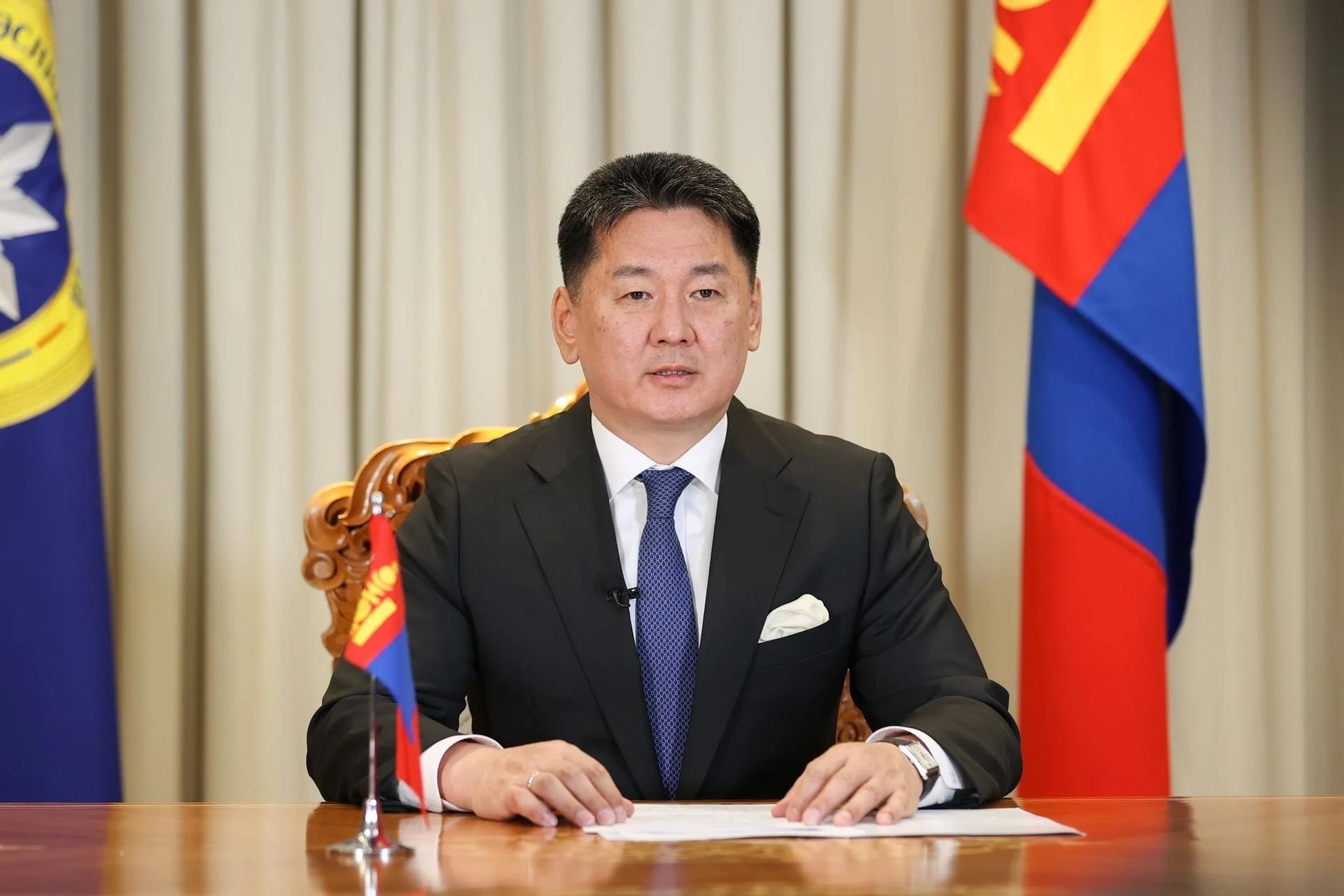
Mongolia could be heading towards its first voluntary presidential resignation. In a public statement on 17 November, President Khürelsükh U. announced his intention to resign amid corruption allegations linked to a major railway project, saying:
“It is consistent with the principles of justice for the President of Mongolia to step down and establish the truth. That is why I have decided to relinquish my duties.”
The announcement follows allegations by former Ulaanbaatar mayor Nyambaatar Kh. that Bodi International received USD 110 million in state funds during construction of the 267 km Tavantolgoi–Gashuunsukhait railway, of which USD 25 million allegedly went to the President. The allegations remain unproven and have been denied by the President.
On 16 November, the opposition Democratic Party (DP) demanded that implicated officials step aside, called for the disclosure of all offtake contracts and secured 42 MPs' signatures to propose a temporary oversight committee. The party also threatened presidential impeachment and raised the possibility of seeking the government's dismissal.
However, the announcement does not automatically end Khürelsükh's presidency. Under Article 98 of Parliament's Rules of Procedure, a formal resignation request must first be reviewed by Parliament's Standing Committee on State Structure within five working days, followed by a parliamentary vote within another five working days. Approval requires a majority of all MPs. Unlike impeachment, voluntary resignation does not require a Constitutional Court ruling.
If approved, Article 37.2 of the Constitution provides that Parliament Speaker Byambatsogt S. will exercise presidential powers until a new President is inaugurated. Parliament must call and hold a presidential election within four months, potentially bringing forward the vote previously expected in June 2027.
The railway is a strategic link for Mongolia's coal exports to China. The controversy adds to political uncertainty following the 2025 government crisis, when Prime Minister Oyun-Erdene L. lost a confidence vote amid corruption-related protests, with implications for government stability, state contracts and policy continuity.
The immediate question is whether Khürelsükh will formally submit his resignation, and Parliament will approve it. The proposed oversight committee and demands to disclose the offtake of contracts remain unresolved, leaving the possibility of further political confrontation.