Private 200 MWh Battery Station in Baganuur to Ease Ulaanbaatar’s Winter Peak
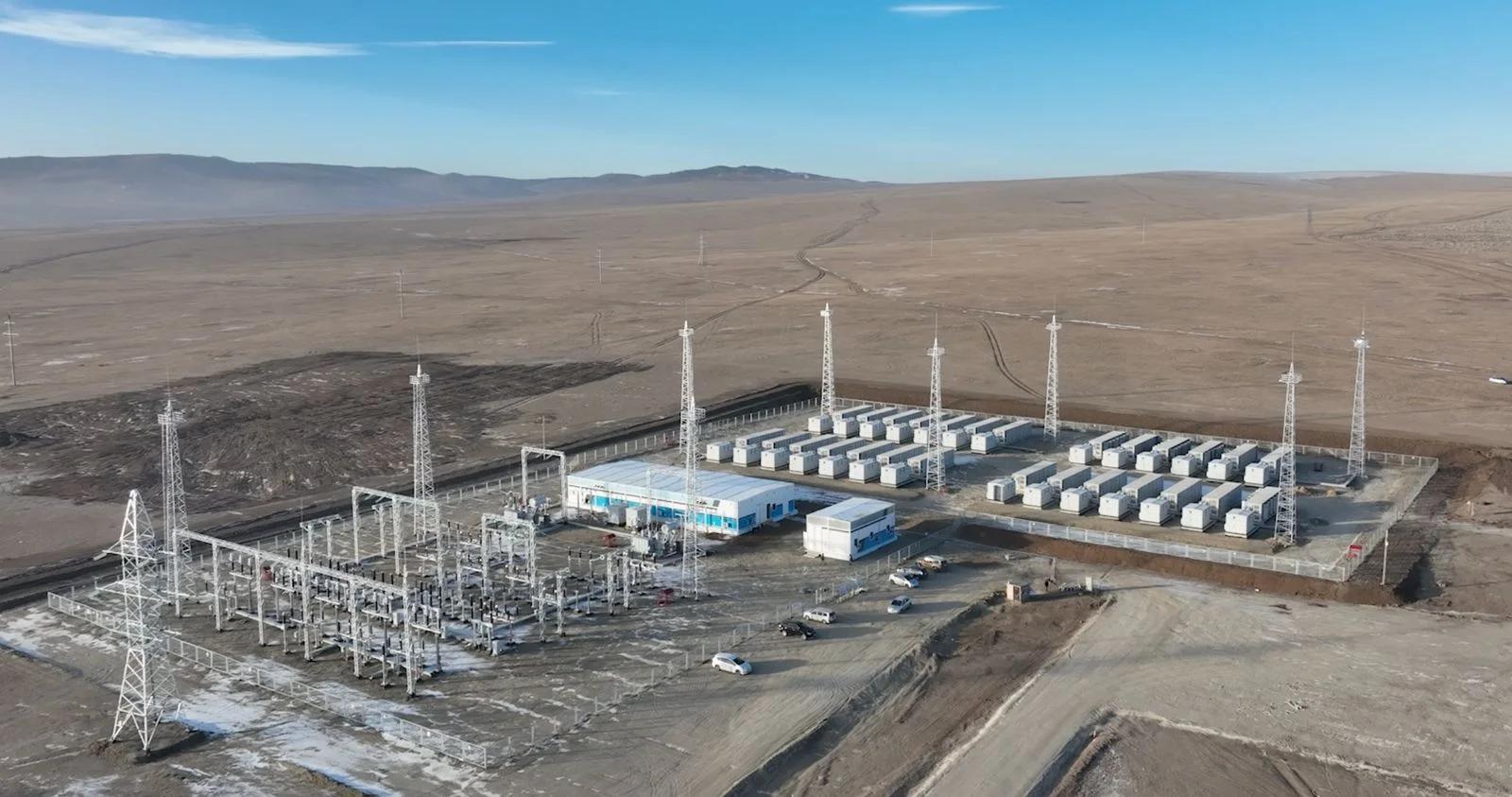
ROX Energy Global is building a 50 MW battery energy storage station with a storage capacity of 200 MWh in Baganuur district of Ulaanbaatar, with total investment of USD 60 million. Construction is about 80% complete, and the company plans to commission the station on December 15.
Project scope and role in the grid
Construction began in June 2026. Alongside the battery system itself, the project includes a new 220/35 kV substation, a transmission line and an expansion of the existing substation. ROX Energy Global has contracted Richwell to handle operation and maintenance, and the station is expected to create about 18 permanent jobs once in operation.
The station will charge when electricity demand is low and release power to the grid during peak hours, helping ease capacity shortages in the central power system. The gap between daytime peak load and night-time demand in Mongolia's central power system can reach 300 to 400 MW, and Ulaanbaatar alone accounts for more than 60% of national electricity consumption. Battery storage also helps balance the variable output of solar and wind plants, supports frequency and voltage regulation, and can reduce the country's reliance on imported electricity during peak periods.
Following the first Baganuur station
The project will be the second battery storage station in Baganuur. The first, also rated at 50 MW and 200 MWh, was built by China's Envision Energy for the Ulaanbaatar city government and has supplied power to the central grid since December 5, 2024. It was financed with 293.5 billion tögrög raised through Ulaanbaatar's first domestic municipal bond, in which IFC also invested, and is operated by Ulaanbaatar Energy, a subsidiary of Ulaanbaatar City Development Corporation.
Unlike the first Baganuur station, which was funded by the city, the new project is being developed by a private company with its own capital. If commissioned on schedule, the new Baganuur station will add storage capacity to the central grid during the winter peak, when Ulaanbaatar's electricity demand is at its highest.