Mongolia Passes Landmark Law on Economic Freedom: What It Means for Foreign Investors

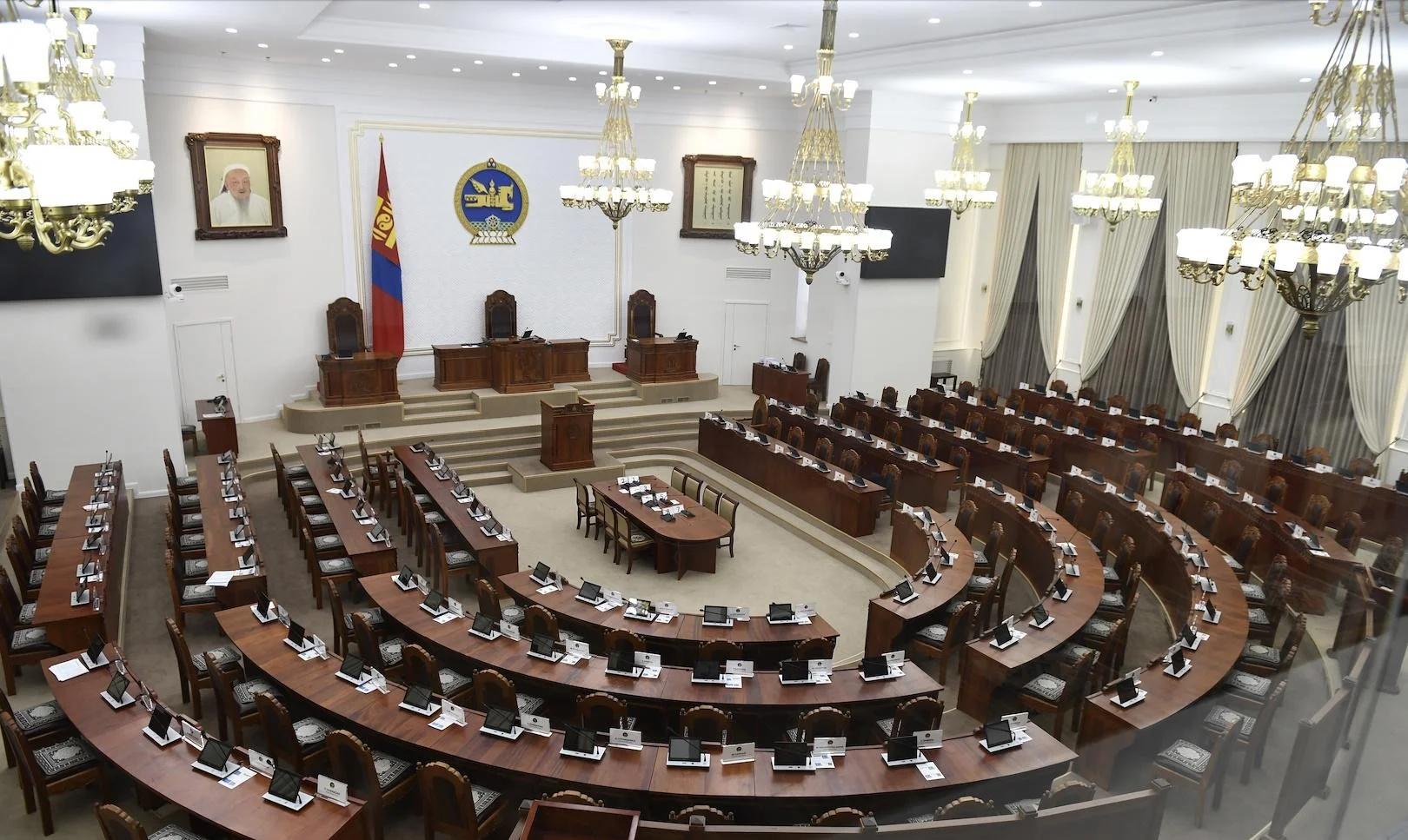
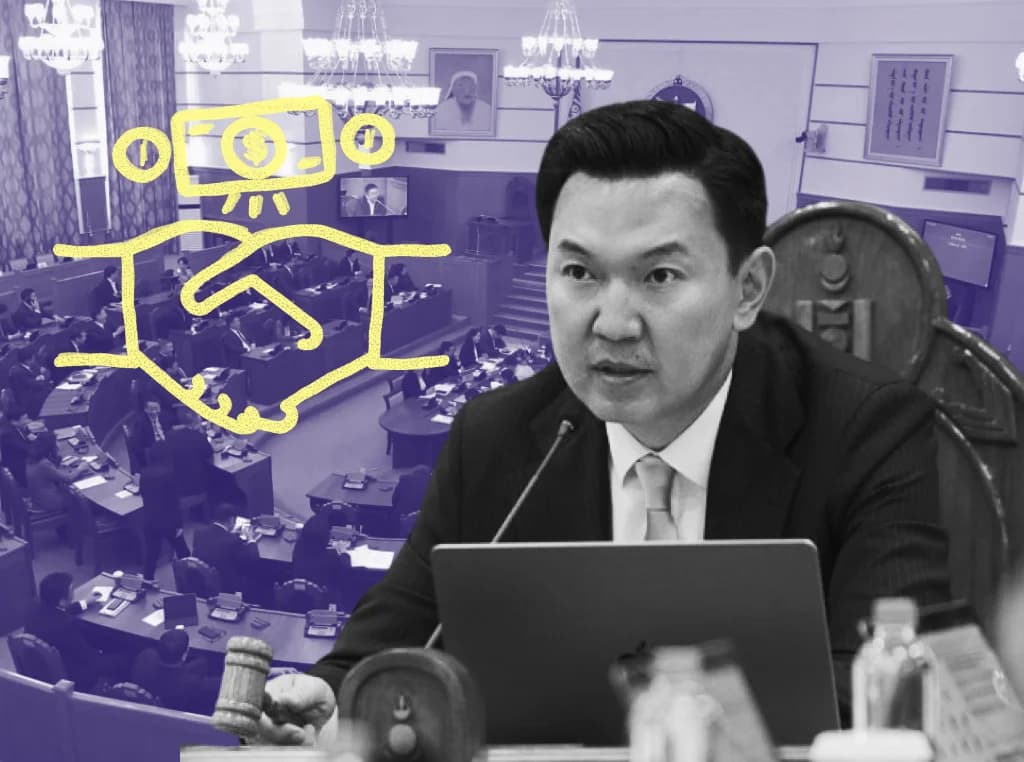
On July 3, 2026, the Parliament of Mongolia passed the Law on Economic Freedom together with its accompanying legislative package, amending the Law on Investment, the Law on Permits, and 97 other laws. It is the most sweeping reform of Mongolia's business legislation in a generation. For foreign investors, the biggest changes are in the capital markets: withholding tax on interest income cut from 20% to 5%, tax relief on publicly traded securities extended through 2040, and the removal of foreign ownership limits in banking.
The law was formed by merging two drafts: the Law on Business Freedom, submitted by the Government on June 4, 2026, and the Law on Economic Freedom, submitted by MPs O. Tsogtgerel and B. Jargalan a day later.
Why the Law Was Needed
More than 360 laws regulate business activity in Mongolia, yet until now no foundational law defined the core principles governing relations between the state and the private sector, such as the freedom to do business, legal stability, and limits on state intervention. Foreign direct investment has depended on a handful of large projects and has been highly volatile over the past 15 years. In the Heritage Foundation's 2025 Index of Economic Freedom, Mongolia ranked 69th out of 184 countries, with “Investor Friendliness” at 114th and “Property Rights” at 92nd. The new law is Parliament's direct response to those gaps.
What the Law Changes for Capital Markets
The provisions with the most immediate consequence for investors concern the cost and taxation of capital:
- Withholding tax cut from 20% to 5%. Interest income on foreign and domestic debt instruments and loans raised by financial institutions is now taxed at 5%, a rate previously available only to commercial banks. Extending it to all financial institutions levels the playing field, opens access to cheaper foreign funding, and is expected to lower lending rates across the sector.
- Securities tax relief extended by a decade. The 90% tax reduction on income from bonds, equities, and other securities publicly traded on Mongolia's primary and secondary markets, originally set to expire in 2026, now runs until 2034. The subsequent 50% reduction has been rescheduled to cover 2035 through 2040. This gives domestic and foreign investors, individual and institutional alike, long-term tax certainty on Mongolian listed instruments.
- Foreign bank liberalization. Shareholding limits on establishing foreign banks have been removed, and foreign investment restrictions scattered across sectoral laws have been eliminated.
Taken together, these measures are designed to draw capital inflows into Mongolia and diversify a financial structure that remains dominated by commercial banks. Capital market development is widely viewed as a direct route to lowering the interest rates entrepreneurs pay on bank loans.
What Protections Do Foreign Investors Gain
Beyond the capital markets, the package strengthens the legal position of foreign investors and cuts the administrative cost of operating in Mongolia:
- Investor protection. Investors gain a formal channel to file complaints with the state, and the right to resolve disputes through international arbitration is guaranteed.
- Equal treatment. Regulatory disparities in fees and processing timelines between domestic and foreign entities are eliminated.
- Permit reform. The permit system is fully digitalized and procedures simplified by 60%. Special permits are now valid for 10 years and standard permits for 5 years, while over 120 standard permits move to professional associations.
- Digital operations without residency. Doing business online is legally recognized, allowing foreign citizens and entities to operate in Mongolia without physical presence.
- High-tech incentives. Imported equipment for data centers and artificial intelligence centers receives a 100% customs duty exemption.
- Foreign workforce relief. Businesses in labor-scarce sectors such as food, light industry, tourism, and services are exempt from foreign worker workplace fees.
Economic Outlook
The reform is not a standalone measure. It implements two standing policy commitments: Vision-2050, Mongolia's long-term development policy targeting a multi-pillar economy built on a favorable investment climate, and the Government Action Plan for 2024 to 2028, which pledges to reduce the state's role in the market, remove barriers to market entry, promote free competition, and fully digitize government licensing. According to the Ministry of Economy and Development, these measures are expected to move Mongolia away from a mining-dependent economy vulnerable to external shocks and toward a stable, competitive, and transparent market system, restoring investor confidence and supporting sustainable, market-led growth.