Jade Gas maps an AUD 1.1bn path to monetising South Gobi coal bed methane and LNG
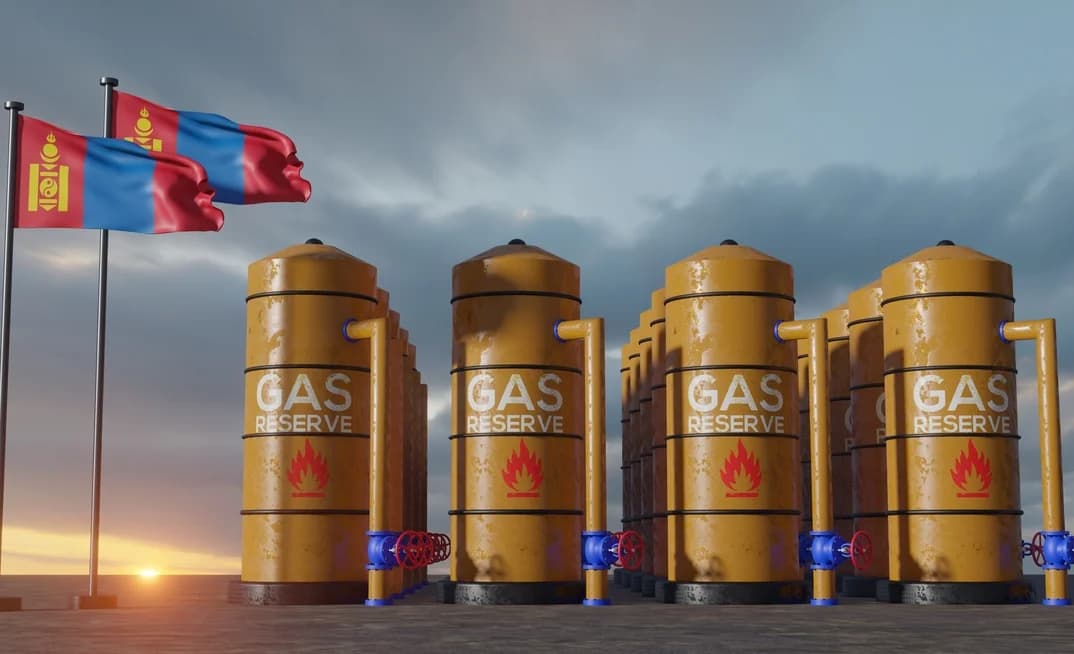
Mongolia's energy story has long been written in coal. The gas locked inside those same coal seams has stayed largely in the ground, and it was only in June that the country approved its first natural gas reserves at all. A funding agreement announced on 20 July would begin to turn that newly booked resource into revenue, giving Jade Gas a route to monetise its South Gobi coal bed methane for the first time at scale.
The agreement
ASX-listed Jade Gas has executed a non-binding collaboration agreement with a consortium that would fund the entire first phase of its Red Lake development, in the South Gobi. The consortium comprises PT Beijing Energy Linking (PTBEL) as lead contractor, with PetroChina and Hunan Geology & Mining Technology as subcontractors. The agreement contemplates funding of 100% of Jade Gas's planned Phase 1 capital expenditure, estimated at US$762.5 million, or AUD 1.1 billion. Red Lake is the flagship development area of Jade Gas's Tavan Tolgoi coal bed methane project, which the company operates through Methane Gas Resource, a joint venture with the Mongolian government.
The monetisation milestone sits inside that figure. Separately from the drilling programme, the agreement contemplates a scalable liquefied natural gas liquefaction facility costing about US$150 million, or AUD 215 million, which forms part of the total Phase 1 capex estimate. The facility would enable the initial monetisation of about 40 wells, with modular additions to follow as production from Red Lake grows. It is the piece of the plan that converts gas in the seam into gas that can be sold, and it marks the point at which Red Lake would shift from exploration and appraisal towards revenue.
Scale and funding
Phase 1 is only the start. Its 175 wells cover about 20% of the drilling planned across the 60 km² Red Lake development area, which sits within Jade Gas's broader 665 km² permit. The area is itself part of Jade Gas's broader 665 km² permit. Under the proposed structure, PTBEL would make up to ten drill rigs available for short-term deployment, with initial mobilisation targeted for between February and March 2027.
The terms keep Jade Gas's ownership intact while placing the upfront cost on the consortium. PTBEL would fund 100% of the Phase 1 drilling capex as an approved contract cost within a field services contract still to be negotiated, and would be repaid through a future gas sales revenue sharing arrangement rather than through equity. That arrangement would run in two stages: PTBEL would take 80% of gas sales revenue, and Jade Gas 20%, until the consortium's costs are recovered in full, after which the split would revert to 70% for Jade Gas and 30% for PTBEL across the producing life of the wells. The funding also contemplates the associated infrastructure that a remote Gobi development requires, including an expanded camp facility, roads, communications, water handling and battery energy storage systems. Alongside the collaboration agreement, Jade Gas has received commitments for a AUD 11 million placement priced at AUD 0.12 a share, intended to support field operations, working capital and a proposed listing in Hong Kong.
Proven operators
The choice of partners points to where the technical confidence comes from. PTBEL, PetroChina and Hunan bring coal bed methane drilling and large-scale execution experience from the Qinshui and Ordos Basin developments in northern China, which Jade Gas describes as the closest operating analogue to Red Lake. For executive director Joe Burke, the backing of the three companies would allow Red Lake to be developed at a scale and speed not achievable alone, bringing significant volumes of Mongolian gas to market, displacing diesel and supplying LNG. He framed the agreement as the start of developing one of "Asia Pacific's most strategically located gas projects".
What remains to be settled
The agreement is a framework rather than a firm commitment. The collaboration agreement is non-binding, and the drilling funding remains contingent on the parties negotiating the definitive agreements, which they are targeting for execution by the end of the current quarter. Delivery would then depend on rig mobilisation from early next year and on drilling performance across the 175-well programme. Should those conditions be met, the agreement would represent Mongolia's first material step from a newly booked gas resource towards a monetised one, with implications that Jade Gas argues extend beyond the domestic market into the wider Asia Pacific.
.webp)